
2025-20
Equine Mental Health Therapy for First Responders




Sponsored by
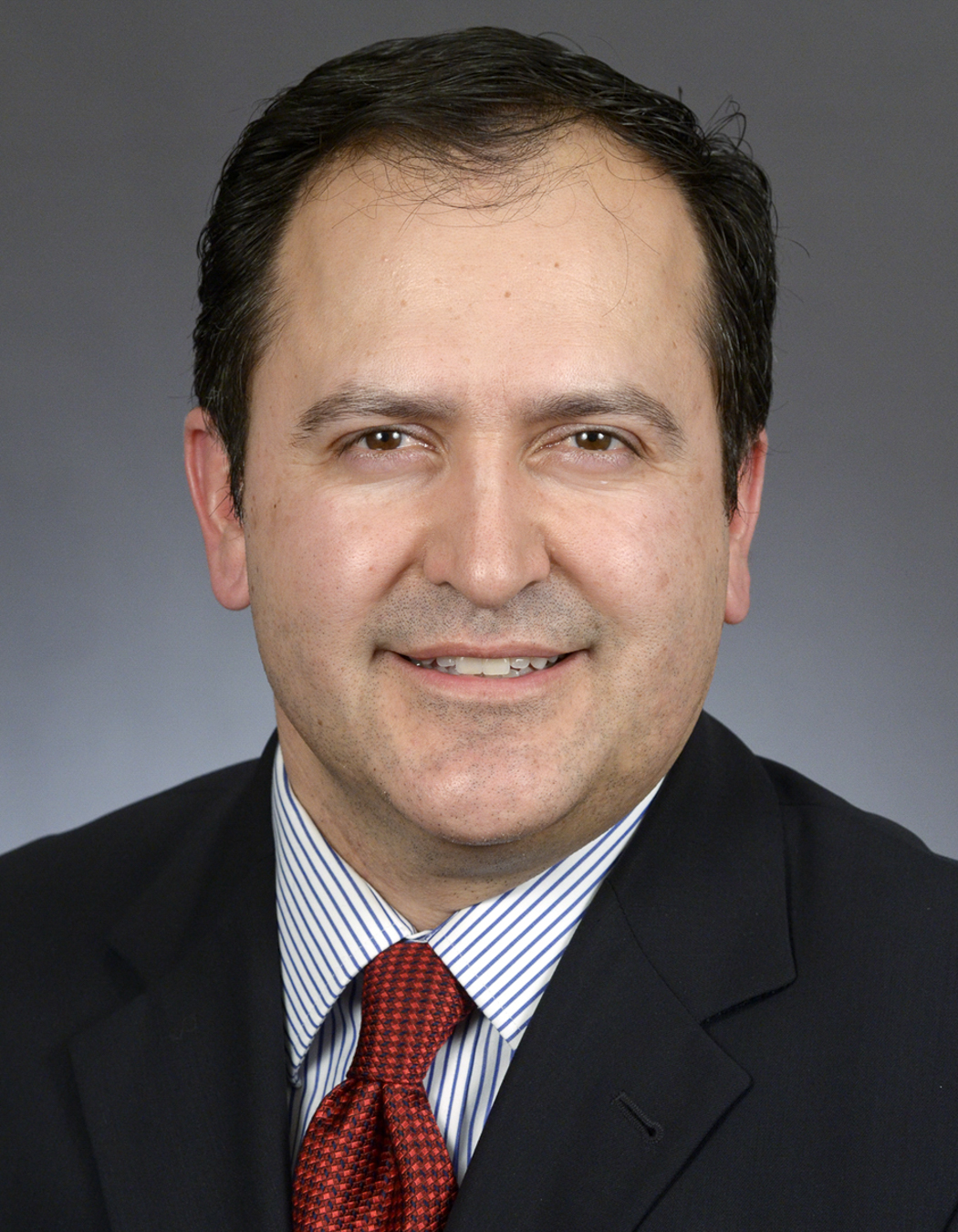
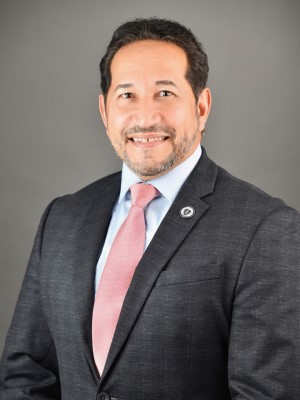
Rep. Jon Koznick (MN), Sen. Nilsa Cruz-Perez (NJ), Rep. Louis Ruiz (KS),
Rep. Carlos Gonzalez (MA), Rep. Angelica Guerrero-Cuellar (IL),
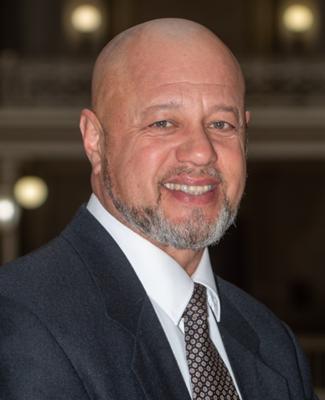
Rep. James Sanchez (CT), Rep. Geraldo Reyes (CT), Rep. Tara Lujan (NM)
Reported to the Caucus by the
NHCSL Healthcare Task Force
Rep. Alma Hernández (AZ), Chair

Unanimously ratified by the Caucus on November 22, 2025
WHEREAS, the mental health of first responders is critical to public safety and community resilience; and,
WHEREAS, first responders, including peace officers, firefighters, ambulance personnel, 911 telecommunicators, and correctional officers—face repeated exposure to traumatic events in the line of duty, leading to high rates of stress-related injuries and post-traumatic stress disorder (PTSD); and,
WHEREAS, the mental health challenges facing first responders have been linked to increased rates of depression, anxiety, substance abuse, inflexibility and other behavioral disorders, and most tragically, suicide;[1] and,
WHEREAS, traditional therapeutic approaches are not always sufficient or accessible, and innovative treatment methods have shown promise in improving outcomes for those struggling with trauma as a possible adjunct to psychological treatment; and,
WHEREAS, equine-experiential mental health therapy, which integrates interactions with horses into a structured therapeutic setting with licensed equine-assisted therapy instructors, has shown promise in helping many individuals process trauma, build resilience, and foster emotional healing;[2] and,
WHEREAS, horses “respond to both the behavior and the mood of individuals to whom they are exposed, allowing them to function as a biofeedback tool for those with whom they are interacting. In equine-assisted therapy, participants have the opportunity to gain insight into their own emotions and reactions through interactions with the horse. Activities often include grooming a horse, leading a horse, mindfulness/grounding exercises, facing obstacles with horses, round pen work with horses, observation of horses’ interaction with one another, and projection and processing of emotions;”[3] and,
WHEREAS, a recent groundbreaking pilot study in Canada showed equine-experiential mental health therapy helped many first responders with depressive and trauma-related symptoms;[4] and,
WHEREAS, states are evaluating legislation to funding equine-experiential mental health therapy to first responders through a grant program ensuring that services are available to both active and retired personnel, including an evaluation of benefits to grow the body of science on this therapy.[5]
NOW, THEREFORE, BE IT RESOLVED, that the National Hispanic Caucus of State Legislators (NHCSL) supports policies and programs that provide equine-experiential mental health therapy for first responders suffering from trauma and PTSD, including an evaluation of benefits to grow the body of science on this therapy; and,
BE IT FURTHER RESOLVED, that NHCSL encourages states to explore partnerships with nonprofit and community-based organizations to expand access to equine-based therapy and other evidence-based trauma recovery programs for first responders.
IN ITS MEETING OF NOVEMBER 13, 2025, THE NHCSL HEALTHCARE TASK FORCE UNANIMOUSLY RECOMMENDED THIS RESOLUTION TO THE EXECUTIVE COMMITTEE FOR APPROVAL.
THE NHCSL EXECUTIVE COMMITTEE UNANIMOUSLY APPROVED THIS RESOLUTION ON NOVEMBER 14, 2025, IN A VIRTUAL MEETING.
THE NATIONAL HISPANIC CAUCUS OF STATE LEGISLATORS UNANIMOUSLY RATIFIED THIS RESOLUTION AT ITS ANNUAL MEETING OF NOVEMBER 22, 2025 IN OKLAHOMA CITY, OKLAHOMA.
[1] Arena, A. F., Gregory, M., Collins, D. A. J., Vilus, B., Bryant, R., Harvey, S. B., & Deady, M. (2025). Global PTSD prevalence among active first responders and trends over recent years: A systematic review and meta-analysis. Clinical Psychology Review, 120,102622.
[2] Nagrath, J. (2020). Investigating the efficacy of equine-assisted therapy for military veterans with posttraumatic stress symptomology. Journal of Veterans Studies, 6(2), 1–19.
[3] Nelson, supra (internal citations omitted).
[4] Nelson, C., Dossett, K., & Walker, D. L. (2022). Equine-assisted therapy for posttraumatic stress disorder among first responders. Psychological Reports, 127(5), 2203–2219. And see,
[5] See for example Minnesota HF 261, 94th Legislature, 2025–2026.