
2026-01
Emergency Resolution:
Ending the Abusive Lawlessness of ICE
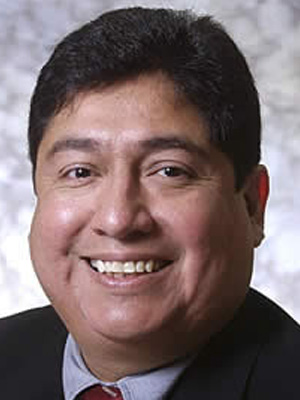
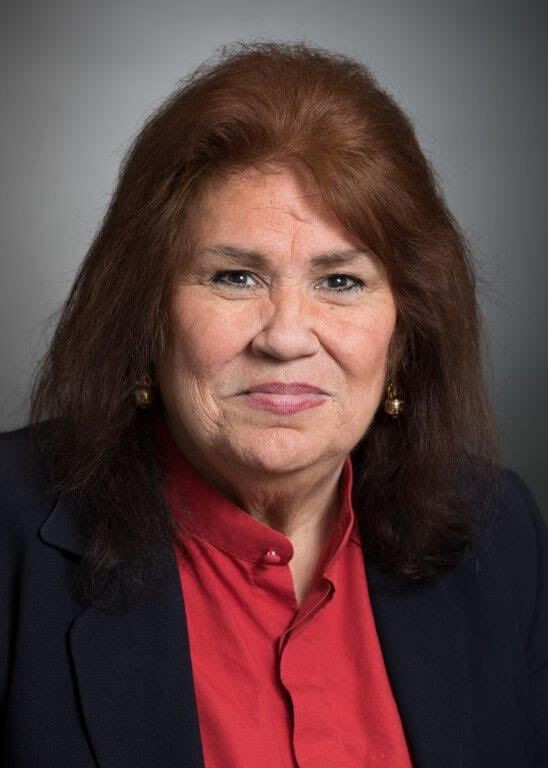
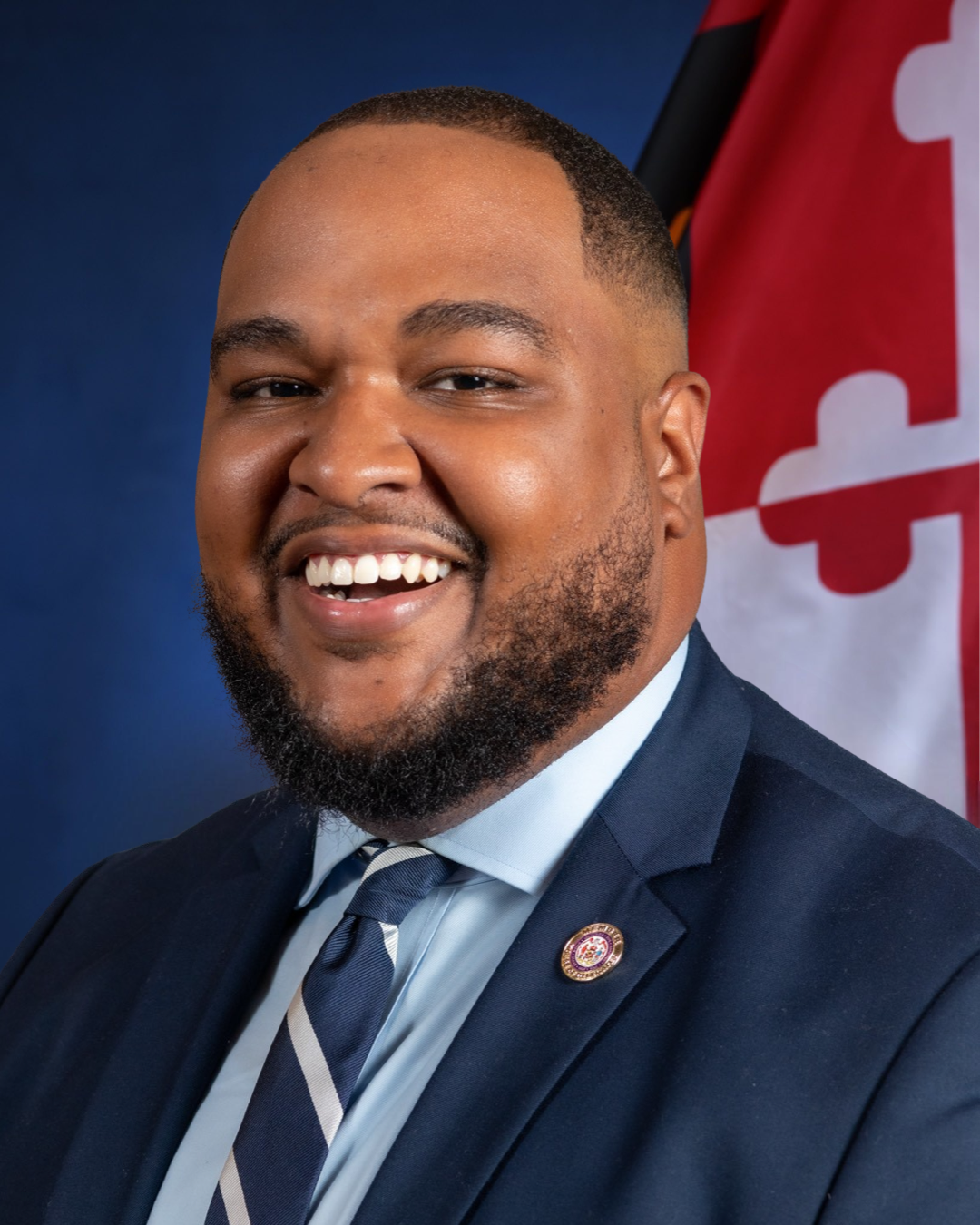
Sponsored by
Rep. Louis Ruiz (KS), Rep. Terry Meza (TX),
Rep. Lillian Ortiz-Self (WA), Sen. Cristina Castro (IL),
Rep. Geraldo Reyes (CT), Rep. Cristopher Rosario (CT) and Rep. Juan Candelaria (CT)
Reported to the Caucus by the
NHCSL Immigration Task Force
Del. Ashanti Martinez (MD), Chair

Unanimously approved by the NHCSL Executive Committee on behalf of the entire Caucus on April 10, 2026
WHEREAS, in the last year the Department of Homeland Security (DHS) agencies known as Immigration and Customs Enforcement (ICE) and Customs and Border Protection (CBP) have displayed a pattern of egregiously abusive and violent conduct that clashes with the values and rights enshrined in our Constitution, applicable to citizens, immigrants and even visitors; and,
WHEREAS, curbing such abuses is not pro crime or pro illegality, it is pro the founding ideals of an America conceived in Liberty and inalienable rights; and,
WHEREAS, as this caucus recalled last year in Resolution 2025-16, supporting enactment of H.R. 4393 (the Dignity Act of 2025) for comprehensive immigration reform in this Congress, immigrants are economically, fiscally and socially good for the United States which is “a country of immigrants… bound together by national values of economic opportunity as reward for hard work, known far and wide as the American Dream;”[1] and,
WHEREAS, in that resolution, this caucus noted that following President Trump’s executive order titled “Protecting The American People Against Invasion,”[2] mass deportation tactics and border crossing quotas have undermined asylum seekers’ due process rights; including denied required fear screenings for asylum seekers, returning them to potential prosecution in their home or third countries; and,
WHEREAS, in the few months since that resolution was fully ratified, the interior immigration enforcement situation went from outrageous to openly murderous with the killings in January 2026 of innocent American citizen Renee Good by a masked ICE gunman simply for trying to avoid him with her car as she legally attempted to leave, the thuggish summary street execution of innocent American citizen Alex Pretti by masked CBP BORTAC agents, both in Minneapolis, and the revelation of ICE’s year-long coverup of their March 15, 2025 fatal shooting of 23-year-old American citizen Ruben Ray Martinez in South Padre Island, Texas, while ICE agents were performing traffic control operations they are not trained for; and,
WHEREAS, in all those cases, the agents spuriously claimed being in danger from their unarmed victims, going so far as to fake injuries in the first, and probably the third; and the entire apparatus of the federal government engaged in the coverup with them, tarred the first two victims as domestic terrorists and hid the third, and to this day refuse to reveal the identities or whereabouts of the killers or to allow state and local law enforcement officers to investigate;[3] and,
WHEREAS, meanwhile masked immigration agents vandalized storefronts, conducted warrantless searches and arrests, illegally used administrative warrants to demand entry into homes, deployed violent tactics on other thousands of peaceful protestors, apprehended immigrants going to and coming from court appointments, racially and ethnically profiled immigrants and citizens, and detained thousands of immigrants, including children,[4] in deplorable, violent and insalubrious conditions, leading to the death of several, violently or from lack of proper medical care; and,
WHEREAS, after its unconscionable detention of 5-year-old Liam Conejo Ramos provoked a national outcry leading to his ordered release, ICE retaliated against the remaining detainees at its deservedly infamous Dilley Family Residential Center in Texas by becoming more abusive and restrictive, even confiscating all crayons so children could not write more letters, leading to current conditions so immoral that one 13-year-old detainee said, “I feel lucky I have only suffered from vomiting and diarrhea from the food, because so many other kids have had more intense issues. I have seen newborn babies here with bronchitis because ICE does not provide enough medical care for people who are sick. Every day that I remain here is destroying my hope for my life;”[5] and,
WHEREAS, in a recent illustrative one of the mind numbing string of abusive incidents, ICE agents racially profiled a lawfully resident college graduate pedestrian, supposedly confusing him for another, surrounded him with vehicles, apprehended him and, upon realizing their mistake, decided to “take him with us anyway,” falsified an arrest warrant after the fact, summarily rescinded his status, commenced baseless removal procedures against him and, when a judge ordered him released, presented him a bill for $5,000 to cover his arrest costs;[6] and,
WHEREAS, the judge in the above case called it “a reprehensible act of unimaginable cruelty” ruling that “the laws of human decency condemn such villainy,” this Caucus does as well, and most Americans agree;[7] and,
WHEREAS, in response to masked ICE lawlessness, the states of Washington and New Jersey have enacted laws banning facial coverings for all federal, state, and local law enforcement officers;[8] this, following a federal judicial ruling finding a narrower California law unconstitutional because it that only banned those coverings for federal and local (but not state) officers; and many other state legislatures are considering bills to enact such bans;[9] and,
WHEREAS, New Jersey also recently enacted a bill prohibiting state agencies from sharing a person’s immigration status without a warrant,[10] and another barring local police from assisting federal immigration authorities without a judicial warrant.[11]
THEREFORE, BE IT RESOLVED, that the National Hispanic Caucus of State Legislators, calls on Congress to assume the responsibility that it has consistently skirted for years on this matter and calls on the Federal Government to take all actions necessary to ensure that interior immigration enforcement is conducted by thoroughly trained, decent and trustworthy professionals, not prone to violence, and respectful of the law, including the free speech, due process, privacy and other civil, human and constitutional rights of immigrants, citizens and visitors alike; and that said agents operate only within agencies whose institutional culture is free of racial, ethnic, religious or other discriminatory biases; and,
BE IT FURTHER RESOLVED, that the NHCSL calls on states to enact identification requirements and bans on facial coverings for all federal, state, and local law enforcement officers interacting with the public absent extreme weather conditions reasonably require it, and exceptions for medical use; and,
BE IT FURTHER RESOLVED, that the NHCSL calls on states to enact legislation prohibiting state agencies from sharing a person’s immigration status without a judicial warrant, and barring police from assisting federal immigration authorities without a judicial warrant, including prohibiting so-called 287(g) agreements; and,
BE IT FURTHER RESOLVED, that the NHCSL joins the majority of Americans finding that the agency known as ICE is irredeemably untrustworthy and submerged in an institutional culture of ethnic bias, unrestricted murderous violence and incorrigible cruelty and, thus, lacks the necessary public credibility to enforce any law and should therefore be abolished and replaced with an agency that can, at a minimum, meet the basic standards defined herein; and,
BE IT FINALLY RESOLVED, that recalling that the NHCSL previously called on the Federal Government to prohibit the use of private, for-profit immigrant detention facilities,[12] the NHCSL further calls on the Federal Government to adopt the following minimum safeguards to border and immigration enforcement actions and agencies to effectuate the principles of lawful enforcement, constitutional respect and dignity defined above; and that these be made applicable to ICE (until it is finally abolished), CBP’s BORTAC unit or their equivalents or successors:
- The use of a non-English language or having an accent or any natural body or facial features shall not be used as basis for intervention absent other probable cause or prior identification.
- When they are in conflict, civilian lives and safety should always take priority over capture. ICE and CBP should suspend any operations in which non-target civilians are in danger unless the danger directly comes from the target of enforcement. Agents may not provoke situations that place civilians in danger and, if civilians are in danger, must seek to deescalate. Use of force will only be justified in strictest adherence to Constitutional guidelines and the above civilian protection guidelines or any more protective guidelines the Secretary may approve, and never outside the narrow scope of subject-matter jurisdiction of the agencies.
- Immigration enforcement and border agents shall always prominently display their last name and badge, and, when interacting with the public, shall not mask their faces unless medical needs or extreme weather conditions reasonably require it.
- Administrative warrants may not be used as authority to enter private premises absent exigent circumstances.
- CBP BORTAC should not conduct operations outside of 10 miles from a land border or 1 mile from a coastal border or strictly within the land area (lot) of a seaport or international airport. And the special border zone shall be limited to 10 miles (from the current 100 miles) when counted from land borders and 1 mile when counted from coastal borders.
- The standard for immigration interventions outside ports of entry should not be mere reasonable suspicion. It should be probable cause, even within the special border zone, as it is for police; but, as an exception, reasonable suspicion may be allowed in the reduced special border zone (10 miles from land borders or 1 mile from coastal borders) only, if the President declares a substantiated and related emergency, informing Congress and providing Congress a vote to lift it.
- Immigration and border agents may not be detailed to support other agencies or enforce other laws.
- No government agency may place undercover agents in legal protests, disguised as protestors.
- State and local law enforcement must be included and evidence shared in the investigations into any incident of use of force. Investigations are mandatory.
- Immigration or border agents will not detain any non-citizen who has been complying with required check-ins or court appearances.
- Border agents and the State Department may not deny entry to any person based on their gender identity, sexual orientation or religion.
- Border agents and the State Department may not deny entry to any non-citizen based on their social media history unless such history would be sufficient to give rise to an investigation leading to a criminal conviction if it were a US citizen’s.
- Cellphones, laptops and similar electronic devices shall not be subject to forensic search absent a judicial warrant, even at ports of entry or when seized in ports of entry.
- Immigration enforcement agents may not detain minors outside the presence of their parents or guardians; and may not conduct operations in such a way that minors are left unguarded.
- Immigration enforcement and border agents may not conduct operations in school zones, school bus stops, or educational institutions, courthouses, hospitals, places of worship, polling or voting places, post offices, tax collection offices or analogous structures to any of the listed structures or their environs.
- Immigration enforcement and border agents may not be armed unless they have approved the 27-week (or longer) training at the Federal Law Enforcement Training Center, including deescalation and use of force training. No other training shall be deemed suitable substitute.
- In addition to injunctions and habeas corpus, persons whose constitutional or legal rights are violated by agents should be allowed to sue for monetary damages. Habeas corpus petitions shall be allowed, for jurisdictional purposes, in the federal district where the person was first detained, as well as the federal district where the person is being held.
- Detained immigrants shall be granted bond hearings and not be denied bond unless they have a violent criminal record.
- Persons detained by immigration or border agents in error, or ordered released by court, shall, at no cost to them, be immediately and courteously returned unharmed, with their possessions with which they were found also complete and unharmed, to the place where they were found or to a place of their choice within the same city they were found or nearer to the facility in which they were detained; and shall receive adequate compensation for failure to do so.
- Persons detained or held by immigration enforcement and border agents or agencies cannot be denied access to their own phones (and signals shall not be blocked) or to free phone calls or to necessities such as water or food nor to appropriate medical care. Food and drinks should meet at least the same quality and nutrition standards as school meals. All water (not only drinking water) must meet at least the EPA’s National Primary Drinking Water Regulations (NPDWR) applicable to public water systems. Holding or living spaces, including isolated confinement spaces, are to be properly ventilated, lit (with lights sufficiently dimmed at nighttime to allow peaceful sleep), temperature-controlled, clean, and equipped with properly functioning sanitary fixtures reasonably sufficient for the number of persons and with allowances for modesty or privacy. Children shall not be denied access to their parents unless access would place safety of the child at risk.
- No detainee shall be placed in isolated confinement unless there is reasonable cause to believe that the person or others would be at substantial risk of immediate, serious harm as evidenced by recent threats or conduct or health diagnosis by a licensed practitioner necessitating isolation, and any less restrictive intervention would be insufficient to reduce that risk. Solitary confinement may not be used as a coercive, extortive or investigative technique or for any other non-disciplinary or non-medical reason. Any detainee placed in isolated confinement shall receive timely, fair, and meaningful opportunities to contest the isolated confinement, including the right to an initial hearing within 72 hours of placement and reviews every 15 days thereafter, in the absence of exceptional circumstances, unavoidable delays, or reasonable postponements; the right to appear at the hearing; the right to be represented at the hearing; an independent hearing officer; and a written statement of reasons for the decision made at the hearing. Unless rare health conditions require it, no person shall be placed in isolated confinement for more than 15 consecutive days, or for more than 20 days during any 60-day period. Members of vulnerable populations shall receive additional protections consistent with the nature of their vulnerability, including appropriate placement other than isolated confinement; ‘vulnerable population’ includes those 21 years of age or younger; 65 years of age or older; those with a disability based on a mental illness, a history of psychiatric hospitalization, or having recently exhibited conduct, including but not limited to serious self-mutilation, indicating the need for further observation or evaluation to determine the presence of mental illness; those having a developmental disability; those having a serious medical condition which cannot effectively be treated in isolated confinement; those who are pregnant or lactating; those in the postpartum period, or those who have recently suffered a miscarriage or terminated a pregnancy; those who have a significant auditory or visual impairment; or those perceived to be lesbian, gay, bisexual, transgender, or intersex
- Except in the context of extraditions or a district court order, no person, absent their informed consent, shall be deported or sent to a country other than the country of their citizenship; but, with the same exceptions, if they request a different country, and that country agrees, their request shall be granted.
- The President may not invoke the Insurrection Act in the context of protests, regardless of if they are related to the abuses of immigration enforcement agencies. And that the armed services be forbidden from operating pursuant to any such orders, which should be deemed facially unlawful.
IN ITS MEETING OF MARCH 27, 2026, THE NHCSL IMMIGRATION TASK FORCE UNANIMOUSLY AMENDED THIS RESOLUTION AND RECOMMENDED IT, AS AMMENDED, TO THE EXECUTIVE COMMITTEE FOR APPROVAL AS AN EMERGENCY RESOLUTION.
AT THE REQUEST OF THE NHCSL IMMIGRATION TASK FORCE, AND IN ACCORDANCE WITH THE IMMEDIATE NEEDS PROCEES OUTLINED IN THE BYLAWS, THE EXECUTIVE COMMITTEE UNANIMOUSLY APPROVED THIS RESOLUTION, ON BEHALF OF THE CAUCUS, ON APRIL 10, 2026, AT ITS MEETING IN NEW YORK, NY.
[2] The White House, Protecting the American People Against Invasion, (January 20, 2025).
[3] Andy Mannix, Minnesota Kicks Off Legal Battle With Trump Administration to Hold ICE Shooters Accountable (ProPublica, March 25, 2026)
[4] Mica Rosenberg, Anna Donlan, Shoshana Gordon and Cengiz Yar, “I Have Been Here Too Long”: Read Letters from the Children Detained at ICE’s Dilley Facility (ProPublica February 9, 2026).
[5] National Center for Youth Law, Flores Counsel Responds to Federal Status Report: Children Detained at Dilley Continue to Suffer (March 23, 2026).
[6]Garcia-Lanza v. Noem, No. 26-0029 (EDNY Mar 3, 2026).
[7]Half of Americans back abolishing ICE amid Trump crackdown, poll finds (The Guardian, Mar 4 2026) (reporting on a YouGov poll finding that 50% of Americans support abolishing ICE, while only 39% opposed).
[8] Washington State enacted Senate Substitute Bill 5855. New Jersey enacted S3114/3216 Scs.
[9] States currently considering bans include Alaska, Arizona, Connecticut, Florida, Georgia, Hawaii, Idaho, Illinois, Kansas, Maryland, Massachusetts, Michigan, Minnesota, Mississippi, Missouri, Nebraska, New Hampshire, New York, Oklahoma, Oregon, Pennsylvania, Tennessee, Utah, Vermont, Virginia, Wisconsin, Rhode Island, and Massachusetts.
[10] New Jersey Privacy Protection Act S3522 ScaSa.
[11] New Jersey Law “Strengthening Trust Between Law Enforcement and Immigrant Communities.” A4071.
[12] NHCSL Resolution 2021-01, Ban Private Detention in Immigration Law Enforcement.